10 Sep,2024
The Role of Ceramic Ring Magnets in Induction Heating Applications: A Comprehensive Guide
The Role of Ceramic Ring Magnets in Induction Heating Applications
Induction heating is a highly efficient method used across various industries, from cooking to manufacturing, to heat conductive materials using electromagnetic fields. Among the critical components in this technology are ceramic ring magnets, which play a vital role in enhancing the efficiency and effectiveness of induction heating systems. This article explores the various dimensions of ceramic ring magnets in induction heating applications, providing valuable insights into their properties, manufacturing, advantages, and practical uses.
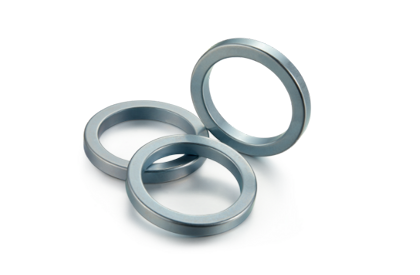
Table of Contents
- What Are Ceramic Ring Magnets?
- Key Properties of Ceramic Ring Magnets
- How Do Ceramic Ring Magnets Work in Induction Heating?
- Advantages of Using Ceramic Ring Magnets in Induction Heating
- Common Applications of Ceramic Ring Magnets in Induction Heating
- The Manufacturing Process of Ceramic Ring Magnets
- Future Trends in Ceramic Ring Magnets for Induction Heating
- Frequently Asked Questions
What Are Ceramic Ring Magnets?
Ceramic ring magnets, also known as ferrite magnets, are made from a mixture of iron oxide and other metal oxides such as barium or strontium. These magnets are known for their hardness and brittleness, which contribute to their unique magnetic properties. Unlike other types of magnets that can be more expensive or less durable, ceramic ring magnets offer a cost-effective solution while maintaining excellent magnetic strength. Their structure typically resembles a ring, which makes them particularly suitable for applications requiring uniform magnetic fields.
Types of Ceramic Magnets
There are primarily two types of ceramic ring magnets used in induction heating:
1. **Barium Ferrite Magnets**: These are the most common type, known for their excellent magnetic properties and resistance to demagnetization.
2. **Strontium Ferrite Magnets**: Similar to barium ferrites, strontium-based magnets are often favored for their cost efficiency and availability.
Key Properties of Ceramic Ring Magnets
Ceramic ring magnets possess several key properties that make them suitable for induction heating applications:
1. High Magnetic Strength
Ceramic magnets can achieve a high magnetic energy product, which is crucial for producing strong magnetic fields necessary for efficient induction heating.
2. Corrosion Resistance
These magnets are resistant to environmental factors, making them ideal for applications in harsh settings, enhancing their longevity and performance.
3. Cost-Effectiveness
Compared to rare-earth magnets, ceramic ring magnets are significantly more affordable, making them a popular choice for many manufacturers and industrial applications.
4. Temperature Stability
Ceramic magnets can maintain their magnetic properties over a wide range of temperatures, allowing them to function effectively in various heating scenarios.
How Do Ceramic Ring Magnets Work in Induction Heating?
Induction heating relies on the principle of electromagnetic induction, which generates heat through the interaction of magnetic fields and electrically conductive materials. Ceramic ring magnets enhance this process in the following ways:
1. Creating a Strong Magnetic Field
The ceramic ring magnets generate a concentrated magnetic field, which penetrates conductive materials. This field induces eddy currents within the target material, leading to rapid heating.
2. Focusing Electromagnetic Waves
The ring shape allows for better focusing of electromagnetic waves, improving the heating uniformity and efficiency of the process.
3. Enhancing Energy Efficiency
By optimizing the magnetic field, ceramic ring magnets reduce energy losses during the induction heating process, ensuring that more energy is converted into heat.
Advantages of Using Ceramic Ring Magnets in Induction Heating
Integrating ceramic ring magnets into induction heating systems offers numerous advantages, enhancing both performance and operational efficiency.
1. Increased Heating Speed
Ceramic ring magnets improve the speed of induction heating, allowing for faster processing times in industrial applications, ultimately increasing productivity.
2. Enhanced Heating Consistency
The uniform distribution of the magnetic field ensures that heat is applied consistently across the material, reducing the likelihood of hot or cold spots.
3. Lower Operational Costs
Due to their cost-effectiveness and energy efficiency, ceramic ring magnets can significantly lower operational costs, making induction heating more economical for manufacturers.
4. Versatility
Ceramic ring magnets can be used in various induction heating applications, from small-scale home appliances to large industrial furnaces, showcasing their versatility.
Common Applications of Ceramic Ring Magnets in Induction Heating
Ceramic ring magnets find their use in a broad spectrum of induction heating applications, reflecting their versatility and effectiveness.
1. Cookware
One of the most prevalent applications of ceramic ring magnets is in induction cooktops, where they facilitate the rapid heating of metal cookware, improving cooking efficiency.
2. Metal Hardening
Ceramic ring magnets are employed in industrial settings for hardening metal components, enhancing their durability and performance.
3. Soldering and Brazing
In electronics, these magnets are used to provide precise heating for soldering and brazing applications, ensuring quality connections without damaging sensitive components.
4. Plastic Welding
Ceramic ring magnets play a role in the plastic welding process by heating up the edges of plastic components for efficient bonding.
5. Automotive Applications
In the automotive industry, ceramic ring magnets facilitate induction heating for hardening various metal parts, thereby improving the strength and longevity of components.
The Manufacturing Process of Ceramic Ring Magnets
The production of ceramic ring magnets involves several stages to ensure optimal quality and performance.
1. Material Preparation
The primary materials, iron oxide and barium or strontium compounds, are carefully measured and mixed to create a homogenous powder.
2. Pressing and Shaping
The mixed powder is then pressed into the desired ring shape using high-pressure techniques, ensuring consistent density and magnetic properties.
3. Sintering
The pressed magnets undergo sintering, where they are heated in a controlled environment to fuse the particles together, enhancing their magnetic properties.
4. Machining
Post-sintering, the magnets may require additional machining to achieve precise dimensions and surface finishes.
5. Quality Control
Each batch of ceramic ring magnets undergoes rigorous quality control testing, including magnetic strength assessments and dimensional checks, to ensure they meet industry standards.
Future Trends in Ceramic Ring Magnets for Induction Heating
The future of ceramic ring magnets in induction heating applications is promising, with several trends shaping their development:
1. Increased Customization
As industries require more specialized solutions, manufacturers are expected to offer customized ceramic ring magnets tailored to specific applications, enhancing performance and efficiency.
2. Advanced Manufacturing Techniques
Technological advancements in manufacturing, such as 3D printing, may pave the way for more complex designs and improved magnetic properties.
3. Sustainability Initiatives
With a growing focus on sustainability, the industry is likely to explore eco-friendly materials and processes in the production of ceramic ring magnets.
4. Integration with Smart Technologies
The incorporation of smart technologies into induction heating systems may enhance the control and monitoring of ceramic ring magnets, leading to more efficient and user-friendly applications.
Frequently Asked Questions
1. What are the primary advantages of ceramic ring magnets in induction heating?
Ceramic ring magnets offer increased heating speed, enhanced consistency, lower operational costs, and versatility across various applications.
2. How do ceramic ring magnets differ from other types of magnets?
Ceramic magnets are typically more cost-effective and resistant to demagnetization compared to rare-earth magnets, making them suitable for a range of applications.
3. Can ceramic ring magnets be used in high-temperature environments?
Yes, ceramic ring magnets maintain their magnetic properties over a wide temperature range, making them suitable for high-temperature applications.
4. What industries benefit most from ceramic ring magnets?
Industries such as cookware, automotive, electronics, and manufacturing significantly benefit from the use of ceramic ring magnets in their induction heating applications.
5. How are ceramic ring magnets manufactured?
The manufacturing process typically involves material preparation, pressing and shaping, sintering, machining, and rigorous quality control to ensure optimal performance.
Conclusion
Ceramic ring magnets play a pivotal role in the world of induction heating applications, enhancing efficiency, performance, and cost-effectiveness. Their unique properties and versatile applications make them indispensable in various industries, from cooking to manufacturing. As technology continues to evolve, so too will the innovations surrounding ceramic ring magnets, paving the way for more efficient and sustainable heating solutions. Understanding their role not only highlights their importance but also emphasizes the potential for future advancements in induction heating technologies.
8-1101, Shenyue Plaza, Jiangbei District, Ningbo, Zhejiang Province, China
Copyright © Ningbo Tronsum Magnetic Industry Co., Ltd. All Right Reserved Powered by www.300.cn SEO Business licensef