28 Nov,2024
Understanding Neodymium Disc Magnets: Properties, Applications, and Benefits
Neodymium disc magnets, composed of an alloy of neodymium, iron, and boron (commonly referred to as NdFeB), are among the most powerful permanent magnets available today. Their high magnetic strength is attributed to the presence of neodymium, an element that significantly enhances the magnetic properties of the material. Neodymium disc magnets are typically available in various sizes and thicknesses, making them versatile for numerous applications.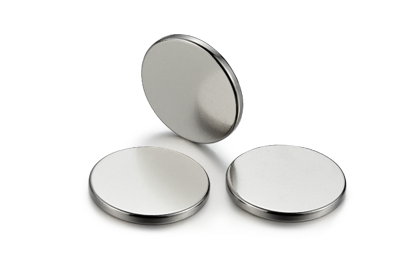
One of the key properties of neodymium disc magnets is their impressive magnetic force relative to their size. This makes them particularly valuable in spaces where traditional magnets would be too bulky or impractical. These magnets can easily hold and lift heavy objects, making them ideal for use in industrial settings, as well as various consumer products. Their magnetic field strength allows for effective operation in devices that require compact design without sacrificing performance.
In the realm of electrical engineering, neodymium disc magnets find applications in a wide range of devices, including motors, generators, magnetic speakers, and magnetic resonance imaging (MRI) machines. Their ability to generate strong magnetic fields contributes to improved efficiency and performance of these devices. Additionally, these magnets are increasingly used in renewable energy solutions, such as wind turbines, where their lightweight and powerful nature enhances energy conversion.
Another significant benefit of neodymium disc magnets is their durability. They exhibit resistance to demagnetization and can withstand high temperatures, making them suitable for demanding environments. However, it is essential to handle them with care, as their powerful attraction can cause them to snap together quickly, potentially leading to chipping or breakage.
Safety is paramount when working with neodymium disc magnets. Due to their strength, they can pose risks, such as pinching injuries if fingers are caught between magnets or if they are attracted to metal objects unexpectedly. It is advisable to use protective gear when handling large quantities or sizes of these magnets.
In conclusion, neodymium disc magnets play a crucial role in various applications across multiple industries, thanks to their remarkable properties and advantages. As technology continues to evolve, the demand for efficient, compact magnetic solutions is likely to increase, further solidifying the importance of these powerful magnets in the electrical engineering sector. Understanding their capabilities and handling them properly can unlock new possibilities for innovation and efficiency in magnetic applications.
8-1101, Shenyue Plaza, Jiangbei District, Ningbo, Zhejiang Province, China
Copyright © Ningbo Tronsum Magnetic Industry Co., Ltd. All Right Reserved Powered by www.300.cn SEO Business licensef